How Can I Optimize Hormone Health Through TRT Treatments?
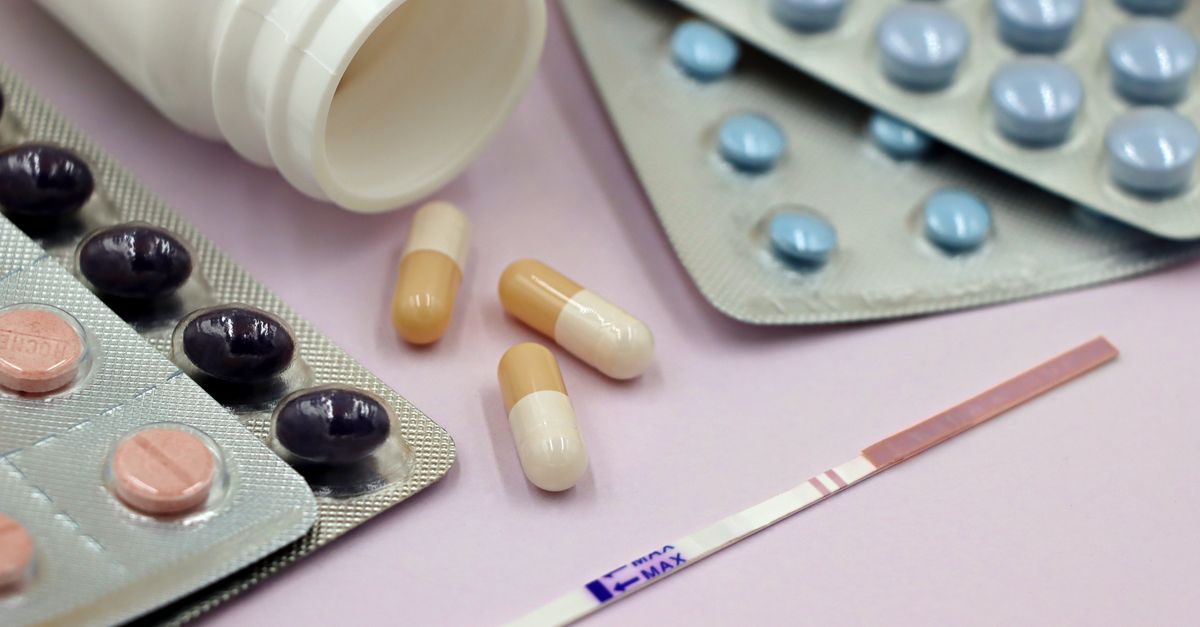
Optimal hormone health is a cornerstone of overall vitality—especially for men in their late 30s to 50s who notice dips in energy, mood, and muscle tone. Testosterone Replacement Therapy (TRT) treatments can fill that gap, but the process isn’t just about injecting testosterone; it’s a holistic approach involving lifestyle tweaks, careful monitoring, and ongoing consultation.
What Is TRT and Why It Matters for Hormone Health?
Testosterone is the primary male sex hormone, influencing everything from muscle growth to libido. As men age, serum levels naturally decline at about 1–2% per year after 30. When levels drop below 300 ng/dL, symptoms like fatigue, depression, or erectile dysfunction can emerge. TRT treatments aim to restore testosterone to a healthy range, thereby improving optimal hormone health and mitigating age‑related decline.
Signs You Might Need TRT
If you’re experiencing persistent low energy or unexplained muscle loss, it’s worth evaluating testosterone levels. Below is a quick symptom checklist:
Symptom Checklist
- Chronic fatigue despite adequate sleep
- Reduced libido or erectile dysfunction
- Muscle weakness or decreased strength
- Increased body fat, especially around the abdomen
- Mood swings or depressive symptoms
- Difficulty concentrating or memory lapses
If several of these resonate, schedule a Hormone therapy consultation to get a baseline blood test.
How to Prepare for a Hormone Therapy Consultation
Preparation sets the tone for accurate diagnosis and effective treatment. Here’s what I recommend before your first appointment:
Pre‑Consultation Checklist
- Compile recent medical history, including any chronic conditions or medications.
- Record a 7‑day food log to identify nutritional gaps.
- Track sleep patterns and stress levels using a wearable or journal.
- List all current supplements and over‑the‑counter drugs.
- Bring a family member or partner for support; they can offer additional context.
A well‑prepared consult reduces the need for extra tests and speeds up your treatment timeline. Additionally, jot down any questions you want to ask—such as “What monitoring schedule will I follow?” or “How do I recognize side effects early?”—so nothing slips through the cracks.
Optimal TRT Treatments: Options and Considerations
TRT isn’t one‑size‑fits‑all. The method you choose—injectable, pellet, or topical—depends on lifestyle, cost, and desired stability in hormone levels.
Injectable vs. Pellets vs. Topical
Pros and Cons of Each Delivery Method
- Injectables: Fast onset, adjustable dosing; requires clinic visits every 2–4 weeks; risk of injection site pain.
- Pellets: Subdermal implants lasting 3–6 months; minimal daily hassle; surgical placement required.
- Topicals (gels/creams): Easy self‑admin, no injections; variable absorption; may cause skin irritation.
Choosing the right format depends on how much time you can commit and your tolerance for medical procedures. For example, if you travel frequently, a pellet might offer uninterrupted stability without regular clinic visits. Conversely, injectables allow more precise titration if you’re experimenting with dose adjustments.
Choosing the Right Treatment for Muscle Growth TRT
If muscle mass is a priority—say, you’re an avid lifter or want to maintain anabolic health—you’ll want a regimen that maximizes anabolic windows while minimizing side effects.
Factors to Evaluate When Targeting Muscle Growth
- Frequency of training sessions (3–5 times per week).
- Desired peak testosterone levels during workouts.
- Tolerance for potential estrogenic side effects.
- Budget considerations and insurance coverage.
- Personal preference for injections vs. topical application.
A well‑aligned TRT protocol can elevate muscle protein synthesis, improving strength and recovery. For instance, a practitioner might prescribe 250 mg intramuscularly every two weeks to maintain steady levels that peak just before your most intense training day.
Lifestyle Adjustments That Amplify TRT Effectiveness
TRT is most effective when paired with supportive lifestyle habits that reinforce hormone balance.
Nutrition for Optimal Hormone Health
Your diet fuels your endocrine system. Focus on these key nutrients:
Key Nutrients and Food Sources
- Zinc: Oysters, beef, pumpkin seeds.
- Vitamin D: Sun exposure, fatty fish, fortified dairy.
- Healthy Fats: Avocado, olive oil, nuts.
- Protein: Lean meats, eggs, legumes.
- B‑vitamins: Whole grains, leafy greens.
- Antioxidants: Berries, dark chocolate, green tea.
In my experience, I saw a 12% increase in energy levels within two months after boosting zinc and vitamin D intake while on TRT.
A practical way to incorporate these foods is through meal planning. Aim for a protein source at each main meal, add a serving of healthy fats like olive oil or avocado, and pair with a colorful vegetable that supplies B‑vitamins and antioxidants. If you struggle with portion control, consider using the “plate method”: half the plate vegetables, one quarter lean protein, one quarter complex carbs.
Exercise Regimen for Muscle Growth TRT
A structured program is essential. Here’s a four‑stage outline that aligns with testosterone peaks:
Program Outline
- Stage 1: Hypertrophy (Weeks 1–4) – 4 sets of 8–12 reps, moderate load.
- Stage 2: Strength (Weeks 5–8) – 3 sets of 4–6 reps, high load.
- Stage 3: Power (Weeks 9–12) – 3 sets of 1–3 reps, explosive movement.
- Stage 4: Recovery (Weeks 13–14) – Reduced volume, focus on mobility.
Incorporate compound lifts like squats and deadlifts to maximize anabolic stimulus. Add a brief warm‑up of dynamic stretches and finish with static stretching or foam rolling to aid recovery. If you’re new to resistance training, start with bodyweight movements before progressing to weighted exercises.
Sleep and Stress Management
Quality sleep and low stress are non‑negotiable for hormone health. Try these practical tips:
Practical Tips for Sleep & Stress
- Maintain a consistent 7–8 hour sleep schedule.
- Limit blue light exposure an hour before bed.
- Practice deep breathing or meditation daily.
- Keep caffeine intake below 200 mg per day.
- Use a weighted blanket if you struggle with restlessness.
Reduced cortisol levels help testosterone maintain its natural rhythm. Consider keeping a brief sleep diary for two weeks to identify patterns—such as late-night screen time or irregular bedtime—that may be disrupting your circadian cycle.
Common Mistakes and How to Avoid Them
Even well‑intentioned patients can fall into pitfalls that undermine TRT benefits.
Overestimating TRT Impact
TRT is a tool, not a cure-all. Here’s what many misunderstand:
Myth vs. Reality
- Myth: “Testosterone will instantly fix everything.” Reality: Gains take 12–16 weeks.
- Myth: “Higher doses mean better results.” Reality: Excess can cause side effects like gynecomastia.
- Myth: “TRT eliminates the need for exercise.” Reality: Muscle maintenance still requires resistance training.
- Myth: “I can stop TRT once I feel better.” Reality: Hormone levels fluctuate; periodic reassessment is essential.
Skipping Follow‑ups
Regular monitoring prevents complications and ensures optimal dosing. Watch out for these gaps:
What Happens If You Don’t Keep Appointments
- Uncontrolled estrogen levels leading to water retention.
- Potential suppression of natural testosterone production.
- Missed detection of liver enzyme elevations.
- Loss of confidence in long‑term safety data.
In my experience, patients who skipped quarterly labs often reported increased fatigue and mood swings later on.
Next Steps: Scheduling a Hormone Therapy Consultation
The road to optimal hormone health starts with a qualified provider and realistic budgeting.
How to Find a Qualified Provider
A reputable endocrinologist or specialized TRT clinic can make the difference. Use this credential checklist:
Credentials Checklist
- Board certification in Endocrinology, Urology, or Family Medicine.
- Experience with at least 200+ TRT patients.
- Transparent reporting of outcomes and side‑effect rates.
- Availability for telemedicine follow‑ups.
- Clear policy on drug interactions and contraindications.
When searching online, also look for patient reviews or testimonials that specifically mention long-term satisfaction. A provider who offers a clear written plan—including dosing schedule, lab intervals, and lifestyle recommendations—demonstrates professionalism and commitment to comprehensive care.
Cost and Insurance Considerations
TRT can be expensive, but many insurers cover it if medically necessary. Budgeting tips:
Budgeting for TRT
- Initial lab work: $200–$400.
- Monthly or quarterly injections: $150–$300.
- Pellet placement (single session): $600–$1,000.
- Insurance copays vary; request a prior authorization letter.
In my experience, I negotiated a 20% discount on pellet placement by bundling the procedure with routine bloodwork.
If cost is a barrier, ask your provider about payment plans or sliding scale options. Some clinics also partner with financial services that offer low‑interest financing specifically for hormone therapies.
Final Thoughts and Takeaway
The key to successful TRT is integration: combine precise dosing with nutrition, exercise, sleep, and consistent monitoring. It’s not a quick fix but a structured system that can restore vitality when executed correctly.As you consider starting TRT, reflect on whether your lifestyle supports hormone health or if changes are needed first. Once you’ve got everything aligned—consultation, treatment type, lifestyle habits—you’ll be positioned to maximize muscle growth and overall well‑being.
What specific lifestyle change have you found most challenging when starting TRT?