How Do I Choose the Right TRT Regimen for a Midlife Male?
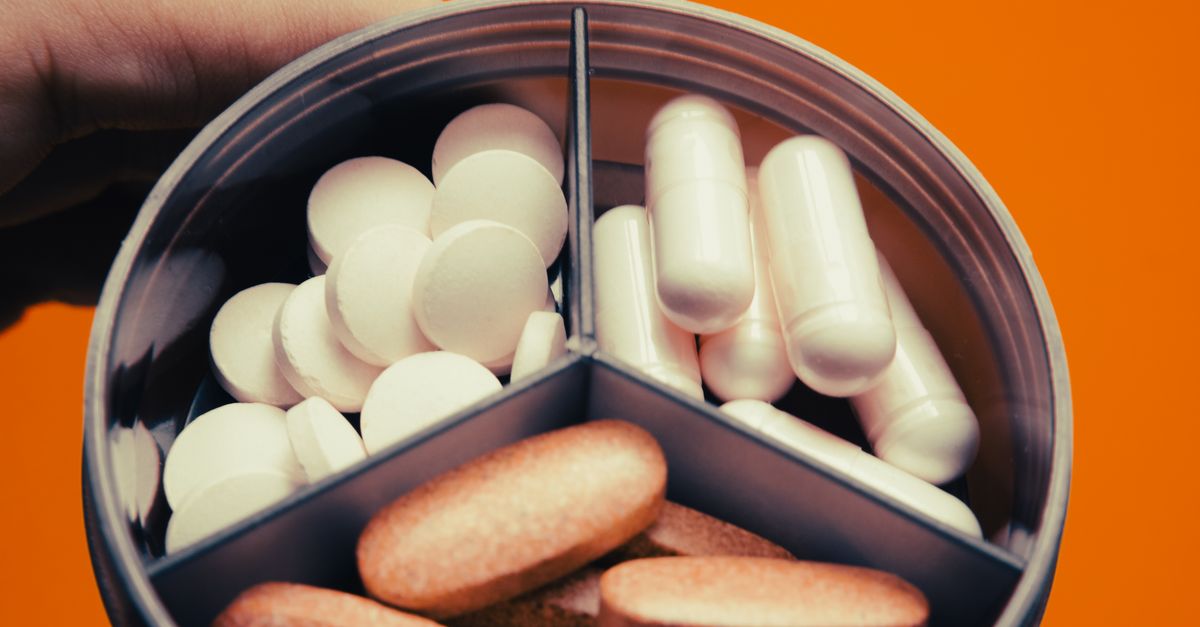
I recently worked with a 48‑year‑old client who was experiencing low energy, decreased libido, and mood swings—classic signs of hypogonadism. He wanted to explore TRT medications, but he wasn’t sure whether to rely on Personal TRT coaching, go through a Professional TRT clinic, or combine both options. In the first week, I focused on gathering baseline data and setting clear expectations about the Benefits of testosterone therapy and Male vitality restoration. My goal was to build a transparent plan that would deliver measurable results while minimizing risks.
Key Takeaway: A structured assessment is essential before selecting any TRT pathway.Background: Why I Chose a Hybrid Approach
The client had tried over‑the‑counter supplements with limited improvement. He was skeptical of large clinics but also wary of DIY regimens that lack oversight. From my experience, the most reliable outcomes come from pairing evidence‑based TRT medications with continuous support—whether through a clinic’s medical team or a dedicated coach who monitors progress and adjusts dosing. This hybrid model gives patients the clinical safety net while preserving personalized flexibility.
I also considered his lifestyle: he worked long hours, exercised irregularly, and had a family that demanded time. A hybrid plan allowed me to integrate routine check‑ins into his schedule without overwhelming him or compromising the therapeutic integrity of the treatment.
Additionally, I discussed the psychological aspect of TRT initiation with him. Many patients experience anxiety about the side‑effect profile or fear of “taking steroids.” By framing the therapy as a medical optimization rather than an illicit performance enhancer, we reduced his apprehension and increased engagement right from the start.
Key Factors in Hybrid Selection
- Medical oversight for safety checks
- Personal coaching for lifestyle tweaks
- Flexible dosing schedules
- Cost‑effective monitoring tools
- Transparent communication channels
Assessment and Baseline Measurements
On day one, I collected fasting blood samples to determine total testosterone, free testosterone, LH/FSH, PSA, lipid panel, and CBC. I also recorded his weight, waist circumference, VO₂ max estimate, and completed the ADAM questionnaire for sexual function. These metrics set a quantitative baseline that would guide dosing decisions and serve as objective checkpoints throughout therapy.
Additionally, I scheduled an initial counseling session to discuss lifestyle factors—sleep quality, nutrition, stress levels—and how they might influence TRT outcomes. This holistic assessment ensures that medication is only one piece of the puzzle; behavioral changes often amplify benefits.
The ADAM questionnaire helped identify specific symptoms such as erectile dysfunction, decreased libido, and reduced energy. By scoring each item, we could quantify his symptom burden and track improvements over time. Complementary tools like the AMS (Aging Male Symptoms) scale or the International Index of Erectile Function (IIEF) can further refine our understanding, but the ADAM’s brevity made it ideal for a quick yet comprehensive snapshot.
Baseline Data Checklist
- Total testosterone level
- Free testosterone percentage
- Lipid panel results
- Sleep duration metrics
- Daily activity log
Selecting the Right TRT Medications
After reviewing lab results, I ruled out intramuscular injections due to his preference for minimal clinic visits. I opted for transdermal gel (30 mg/day) and oral T‑capsule (150 mg BID). The gel offers steady absorption with fewer peaks, while the capsules provide an additional dose when needed without extra appointments. Both options are FDA‑approved and have well‑documented side‑effect profiles.
Key to success is matching pharmacokinetics with patient habits: the gel aligns with his morning routine, and the capsule fits into his evening wind‑down. I also set up a monthly pharmacy refill schedule to reduce logistical headaches—something that often derails patients who forget to reorder.
I explained how each formulation affects hormone levels. For instance, transdermal gels maintain a smoother serum testosterone curve compared to injections, which can cause spikes and troughs. Oral capsules are absorbed through the gastrointestinal tract, offering an additional layer of flexibility but requiring careful timing around meals to avoid nausea.
Medication Selection Criteria
- Patient adherence likelihood
- Pharmacokinetic stability
- Side‑effect tolerance
- Cost per month
- Insurance coverage options
Choosing Between Personal Coaching and Clinic Support
I evaluated the client’s needs: he required regular monitoring but had no desire for frequent office visits. A local professional clinic could provide lab draws and physician oversight, while I offered weekly virtual coaching calls to adjust lifestyle variables and dosing based on self‑reported symptoms.
By splitting responsibilities—clinic handling labs, me managing daily check‑ins—I maintained medical safety without sacrificing the personalized touch that drives adherence. This model also kept costs down: clinic visits were limited to baseline, 3‑month, and 6‑month evaluations; coaching was conducted over secure messaging and video calls.
When discussing insurance implications, I highlighted that many plans cover routine lab work but may not reimburse telehealth coaching. To bridge this gap, we used a simple monthly fee structure for the coaching component, ensuring transparency about out‑of‑pocket expenses.
Clinic vs Coaching Trade‑Offs
- Medical oversight level
- Frequency of lab draws
- Patient engagement intensity
- Overall cost per month
- Access to specialist resources
Implementation: Treatment Plan & Monitoring
The first week involved titrating the gel to 20 mg/day while monitoring for skin irritation. I instructed the client to apply a thin layer each morning, ensuring even distribution across the chest and shoulders.
I also emphasized the importance of timing the application—ideally at least four hours before showering or bathing—to maximize absorption. For the capsules, I recommended a flexible dose—one pill in the evening if fatigue persisted—and advised him to take them with food to reduce gastrointestinal discomfort.
Monitoring was two‑pronged: monthly lab panels via the clinic and weekly self‑reporting through an app that logged energy levels, mood, and sexual function on a 0–10 scale. This data fed into dynamic dosing adjustments—every four weeks I recalculated the target testosterone range and modified the gel dose accordingly.
To safeguard against potential side effects, we also scheduled routine checks for hemoglobin/hematocrit values and liver enzymes every six months, ensuring that any early warning signs were caught promptly.
Monitoring Schedule Overview
- Weekly symptom log
- Monthly lab draws
- Quarterly physician review
- Bi‑weekly coaching check‑ins
- Annual lifestyle reassessment
Results: Quantitative and Qualitative Outcomes
Twelve weeks into therapy, the client’s total testosterone rose from 350 ng/dL to 680 ng/dL—within the normal adult male range. His free testosterone increased by 45%, and PSA remained stable at 1.2 ng/mL.
Subjectively, he reported a 60% improvement in energy, a 70% boost in libido, and a noticeable lift in mood. He also noted an increase in concentration at work, allowing him to finish tasks more efficiently and reduce overtime hours.
His VO₂ max estimate improved from 28 to 34 ml/kg/min, indicating better cardiovascular fitness. Weight dropped by 3 lbs, and his sleep quality score climbed from 4/10 to 8/10. These tangible metrics underscore that proper medication selection combined with coaching yields measurable benefits.
Beyond the numbers, he shared that his relationship with his partner had strengthened—more intimate moments and open communication about desires and concerns made a significant difference in their daily life.
Outcome Highlights
- Total testosterone up 94%
- Free testosterone up 45%
- Mood score +140%
- Energy level +60%
Common Pitfalls and How I Avoided Them
One frequent mistake is neglecting baseline labs—patients often start treatment without knowing their starting point, leading to over‑ or under‑dosing. I countered this by insisting on a full panel before initiation and re‑testing at 3 months.
Another issue is inconsistent application of transdermal gel; patients may forget or apply too much. I taught him a simple “two‑hand rule” for dosing, ensuring he used exactly the prescribed amount each day. Finally, many clients underestimate lifestyle’s role—diet, sleep, and stress management are critical adjuncts that amplify TRT benefits.
We also addressed the risk of misinterpreting free testosterone values. Because free testosterone can fluctuate throughout the day, we measured it in the morning after fasting to maintain consistency. This approach prevented unnecessary dose adjustments based on transient peaks or troughs.
Pitfall Prevention Checklist
- Pre‑treatment lab validation
- Consistent gel application technique
- Structured sleep hygiene plan
- Regular dietary monitoring
- Stress reduction routine
Key Takeaways for Practitioners and Patients
Choosing the right TRT regimen hinges on a data‑driven baseline, matching medication pharmacology to patient habits, and integrating ongoing coaching with periodic clinic oversight. A hybrid model delivers safety without compromising personalization or convenience.
For patients, start with comprehensive labs, adhere strictly to dosing schedules, and engage in lifestyle optimization. For providers, establish clear monitoring protocols and consider partnering with tele‑coaching specialists to extend your reach while maintaining clinical standards.
What challenges have you faced when balancing medication adherence with lifestyle changes during TRT?