The Truth About Protein: How Much Do Men Really Need?
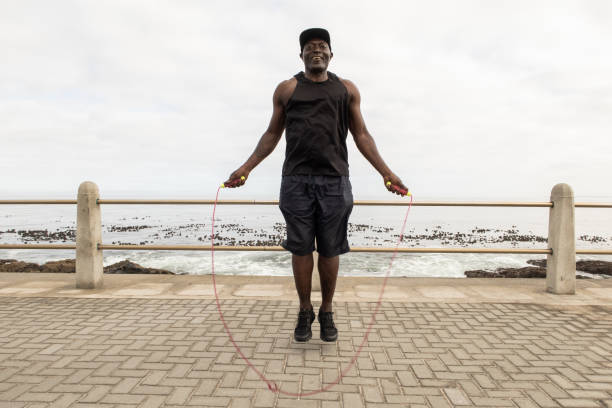
Protein is a fundamental macronutrient that plays a crucial role in muscle growth, weight management, and overall health. While there is much debate about how much protein men need, understanding the right intake for your fitness goals can help optimize performance and recovery. This guide explores protein requirements for fitness, weight loss, and muscle gain, along with the best sources to include in your diet.
Understanding Protein Requirements
The amount of protein a man needs depends on several factors, including age, activity level, and health goals. Below are general guidelines based on different fitness objectives.
- For General Health: The Recommended Dietary Allowance (RDA) suggests 0.8 grams of protein per kilogram of body weight.
- For Muscle Gain: Strength athletes and bodybuilders may need 1.6-2.2 grams per kilogram to support muscle growth.
- For Weight Loss: A higher protein intake of 1.2-1.6 grams per kilogram can help preserve lean muscle mass while reducing body fat.
- For Endurance Athletes: Runners, cyclists, and swimmers benefit from 1.2-1.4 grams per kilogram to support performance and recovery.
Best Sources of Protein
Protein can be obtained from a variety of sources, including animal-based and plant-based options. Incorporating diverse protein sources ensures a complete amino acid profile.
- Lean Meats: Chicken, turkey, and lean cuts of beef provide high-quality protein with essential nutrients.
- Fish and Seafood: Salmon, tuna, and shrimp offer protein along with omega-3 fatty acids for heart health.
- Eggs: A versatile protein source rich in vitamins and minerals.
- Dairy Products: Greek yogurt, cottage cheese, and milk provide protein along with calcium and probiotics.
- Plant-Based Proteins: Lentils, chickpeas, quinoa, and tofu are excellent options for vegetarians and vegans.
- Protein Supplements: Whey, casein, and plant-based protein powders can help meet daily protein needs conveniently.
How to Optimize Protein Intake
Simply consuming protein is not enough—it’s essential to optimize intake for maximum benefits.
- Distribute Protein Throughout the Day: Aim to include protein in every meal to support muscle synthesis.
- Post-Workout Nutrition: Consuming protein within 30-60 minutes after exercise helps with muscle recovery.
- Combine Protein with Healthy Fats and Carbs: Balanced meals enhance nutrient absorption and energy levels.
- Hydrate Well: Adequate water intake supports protein metabolism and overall digestion.
Common Myths About Protein
There are several misconceptions about protein intake. Here’s the truth behind some common myths:
- Myth: More protein always means more muscle.
Reality: Muscle growth depends on proper training, recovery, and total calorie intake, not just excessive protein. - Myth: High protein intake harms the kidneys.
Reality: Healthy individuals can safely consume high protein without kidney damage. - Myth: Plant-based proteins are inferior to animal-based proteins.
Reality: Combining plant-based sources provides complete amino acids and sufficient protein intake.
Conclusion
Protein is an essential nutrient that supports various health and fitness goals. Understanding the right intake based on individual needs helps optimize muscle growth, weight management, and athletic performance. By incorporating diverse protein sources and maintaining a balanced diet, men can ensure they meet their nutritional needs effectively. For more expert insights, visit flowmale.com.