What Are the Most Common Low T Symptoms and How to Access Affordable Testosterone Replacement?
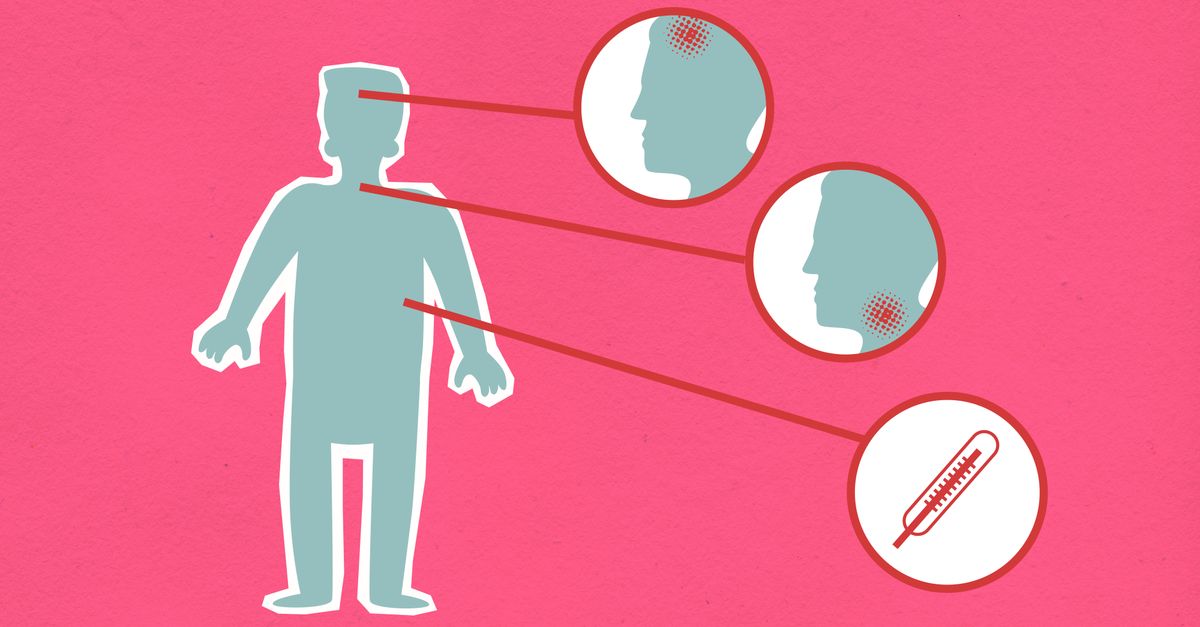
I’ve spent years building systems that streamline processes, but one area where clarity is still hard to find is hormone health. Men often ignore the early warning signs of low testosterone—what I call “low‑T symptoms”—and end up with more expensive or ineffective treatments down the line. In this article I’ll walk you through what to look for, how to get a proper diagnosis, and where to find affordable, professional testosterone replacement therapy (TRT).
Understanding Low Testosterone and Its Symptoms
Testosterone is the hormone that fuels energy, muscle mass, libido, and even mood. When levels dip below normal ranges, men can experience subtle or dramatic changes. Recognizing these symptoms early means you can intervene before they spiral.
Low T doesn’t affect everyone the same way; it’s a spectrum. The key is to spot patterns that persist over weeks rather than one‑off flukes. Below are the most frequently reported physical and psychological signs:
Typical Low T Symptoms
- Persistent fatigue or low energy, even after adequate sleep.
- Reduced muscle mass and strength despite regular workouts.
- Loss of libido or erectile dysfunction that isn’t linked to anxiety.
- Difficulty concentrating or “brain fog.”
- Mood swings: irritability, depression, or a general sense of unhappiness.
- Sleep disturbances: insomnia or waking up frequently.
- Decrease in bone density over time (risk for fractures).
- Increased body fat, especially around the abdomen.
When you notice several of these signs lasting more than a month, it’s worth scheduling a professional check‑up. Early intervention can prevent secondary complications such as cardiovascular strain or metabolic syndrome that often accompany prolonged low testosterone levels.
Why Low T Can Be Misunderstood
Because many low‑T symptoms overlap with aging, stress, or lifestyle factors, men often dismiss them. That’s why I’ve seen a lot of people postpone medical evaluation until the condition worsens.
Misinterpretation can lead to self‑diagnosis via over-the-counter supplements that may do more harm than good. A professional assessment is essential to differentiate low testosterone from other endocrine or metabolic disorders.
For example, chronic fatigue could stem from thyroid dysfunction, anemia, or even depression—each requiring a distinct treatment approach. Without proper testing, you risk chasing the wrong remedy and missing an underlying issue that could have been addressed earlier.
How to Diagnose Low Testosterone
The standard diagnostic workflow starts with a simple blood test. If the results are borderline, your clinician might repeat the test in the morning when levels peak.
Below is a concise checklist for what you should discuss with your healthcare provider:
Diagnostic Checklist
- Schedule an appointment at a reputable clinic that offers comprehensive hormone panels.
- Request total testosterone, free testosterone, LH, FSH, and prolactin levels.
- Ask about the reference ranges used—some labs use slightly different cutoffs.
- Discuss any medications you’re on that could affect hormone levels (e.g., opioids).
- Review lifestyle factors: sleep quality, diet, exercise, and stress.
- If symptoms persist despite normal testosterone, consider a secondary evaluation for pituitary or adrenal issues.
In my experience, the most common mistake is accepting a “normal” result without context. Testosterone can fluctuate during the day, so timing matters.
Options for Treatment: Hormone Replacement Therapy Overview
Once low T is confirmed, the next step is choosing a therapy that fits your lifestyle and budget. The main modalities are injections, patches, gels, and pellets.
Each has pros and cons:
- Injections (bi-weekly or monthly): High bioavailability but require clinic visits.
- Patches (daily): Easy application but can cause skin irritation.
- Gels (daily): Flexible dosing, though transfer to others is a risk.
- Pellets (implanted every 3–6 months): Low maintenance, but surgical insertion needed.
The choice often comes down to convenience versus cost. In many cases, the most affordable option is still the one that requires the least administrative overhead—daily gels or patches tend to be cheaper than bi‑weekly injections.
For instance, a typical 1 ml injection might cost $80 per dose but requires a clinic visit every two weeks. A daily gel, on the other hand, can be applied at home for about $60 a month, eliminating travel time and reducing overall expense when you factor in missed workdays.
Choosing a Professional TRT Clinic
A professional TRT clinic isn’t just a place for injections; it’s a system designed to monitor your progress and adjust dosages. Below are key factors to evaluate before signing up:
Clinic Selection Factors
- Credentials: Look for endocrinologists or urologists with board certifications.
- Treatment Protocols: Clinics that follow evidence‑based guidelines reduce risk of over‑or under‑treatment.
- Monitoring Frequency: Ideally, labs every 3–6 months to track hormone levels and side effects.
- Insurance Compatibility: Some clinics accept a wider range of plans.
- Patient Reviews: Transparency about success rates and complications.
- Cost Structure: Clear upfront pricing for initial evaluation, ongoing treatment, and lab work.
When I first started exploring TRT options in 2024, I compared three clinics. The one that offered a bundled package—initial assessment, monthly labs, and flexible dosing—proved to be the most cost‑effective over a year.
Affordable Hormone Replacement: Cost Breakdown and Insurance
The price of testosterone replacement can vary widely based on modality, dosage, and clinic overhead. Here’s a realistic estimate for 2026:
- Initial Evaluation: $200–$350 (includes blood work).
- Monthly Gel/Patch: $50–$80.
- Bi‑weekly Injection: $70–$120 per dose.
- Pellet Implant (every 3 months): $250–$400.
- Lab Monitoring (quarterly): $80–$150 each.
Insurance coverage varies. Many plans cover injections and labs but not gels or patches, which are often considered “cosmetic.” Negotiating a bundled payment or using a dedicated TRT insurer can lower out‑of‑pocket costs by 30–40%.
If your plan does not cover TRT directly, some clinics offer financing or payment plans that spread the cost over several months. Additionally, generic testosterone formulations are typically less expensive than brand names and still provide equivalent efficacy when prescribed correctly.
Common Mistakes When Starting TRT
Even with a solid plan, men frequently stumble on these pitfalls:
Top Errors to Avoid
- Skipping Baseline Labs: Without pre‑treatment numbers, you can’t gauge effectiveness.
- Over‑dosing: Higher levels don’t always translate to better outcomes and raise risk of side effects such as erythrocytosis.
- Lack of Follow‑Up: Without regular monitoring, complications like prostate enlargement can go unnoticed.
- Ignoring Lifestyle Factors: TRT is a supplement, not a cure. Poor sleep or poor diet will blunt results.
- Not Reporting Side Effects: Acne, hair loss, or mood swings need immediate attention.
By addressing these issues early, you can maintain stable hormone levels while minimizing risk.
Managing Expectations and Monitoring Progress
TRT is not a “set it and forget it” solution. Results typically appear within 4–6 weeks, but optimal benefits may take several months of consistent therapy.
Track the following metrics:
- Energy Levels: Rate daily energy on a scale of 1–10.
- Strength Gains: Log rep and weight progress in your gym journal.
- Sleep Quality: Use a sleep tracker or simple log for hours and restfulness.
- Mood Index: Note any mood swings or depressive episodes.
- Lab Results: Keep a spreadsheet of testosterone, LH, FSH, PSA, hematocrit levels.
Share this data with your clinician at each visit. A data‑driven approach helps fine‑tune dosing and spot early signs of complications.
In my experience, setting up a simple spreadsheet to log these metrics made the difference between a successful 12‑month course and an ineffective trial that cost me time and money.Ultimately, low T treatment is about restoring balance. By recognizing symptoms early, choosing a reputable clinic, and monitoring progress closely, you can access affordable hormone replacement that fits your life without compromising safety.
What symptom do you think should prompt an immediate consultation for low testosterone?